Strategy
The Brief Is a Creative Tool, Not a Constraint
Why the strongest commercial work starts with sharper questions before the camera rolls.

A useful brief gives a production team the clarity to make confident decisions quickly.
A concise brief does not narrow the creative field; it gives it an edge. It tells a production team what must be true when the audience sees the work, so every decision—from location to post-production—can support the same objective.
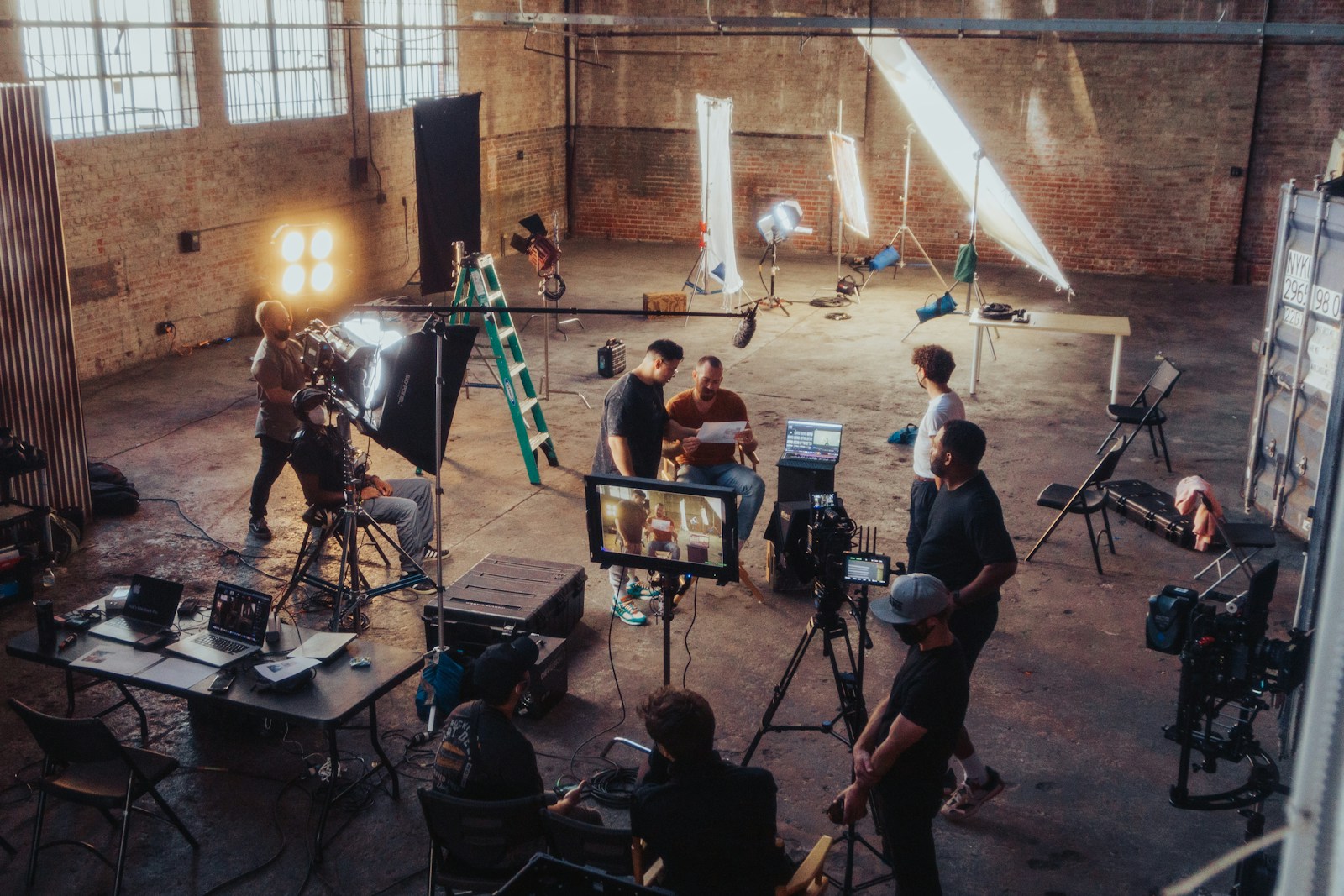
Clarity creates momentum
The useful questions are direct: Who needs to believe this? What should they notice first? What would make the work feel unmistakably like the brand rather than a generic category image? A strong answer gives the director, photographer, producer, and client a shared reference point when time is short.
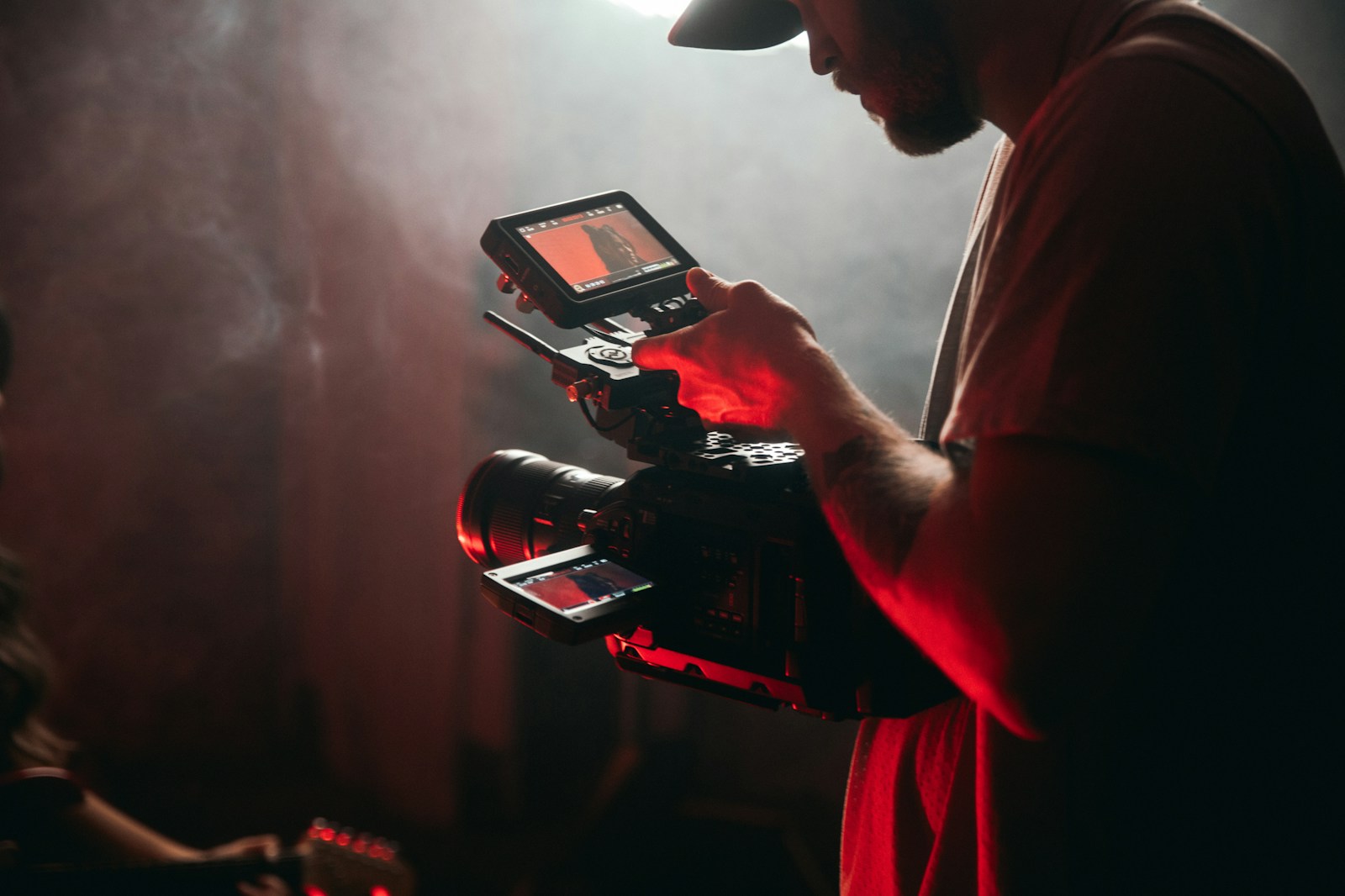
The final result is never the brief made literal. It is the brief made visible through people, materials, timing, and the particular energy of the day. That is why preparation matters: it creates a confident starting place for good instincts.
Production is a sequence of handoffs
The visual system also has to survive the handoffs that happen between departments. A stylist needs enough context to choose materials that support the frame. A camera team needs to understand the intended movement and pace. A client needs a simple way to recognize that the work is answering the brief. When the plan makes those relationships visible, approvals become faster and the work keeps its focus.

We build the schedule around the moments with the highest creative stakes, then protect them. That does not mean eliminating flexibility; it means knowing which choices can change and which ones would weaken the story. The result is a day that feels calm from the outside while remaining precise underneath.
A useful gallery is evidence, not decoration
The images below show the different scales of a production day: the equipment, the people, the lighting, and the pauses that make a set feel alive. Together, they give the final work a sense of process and place that a single hero image cannot carry on its own.

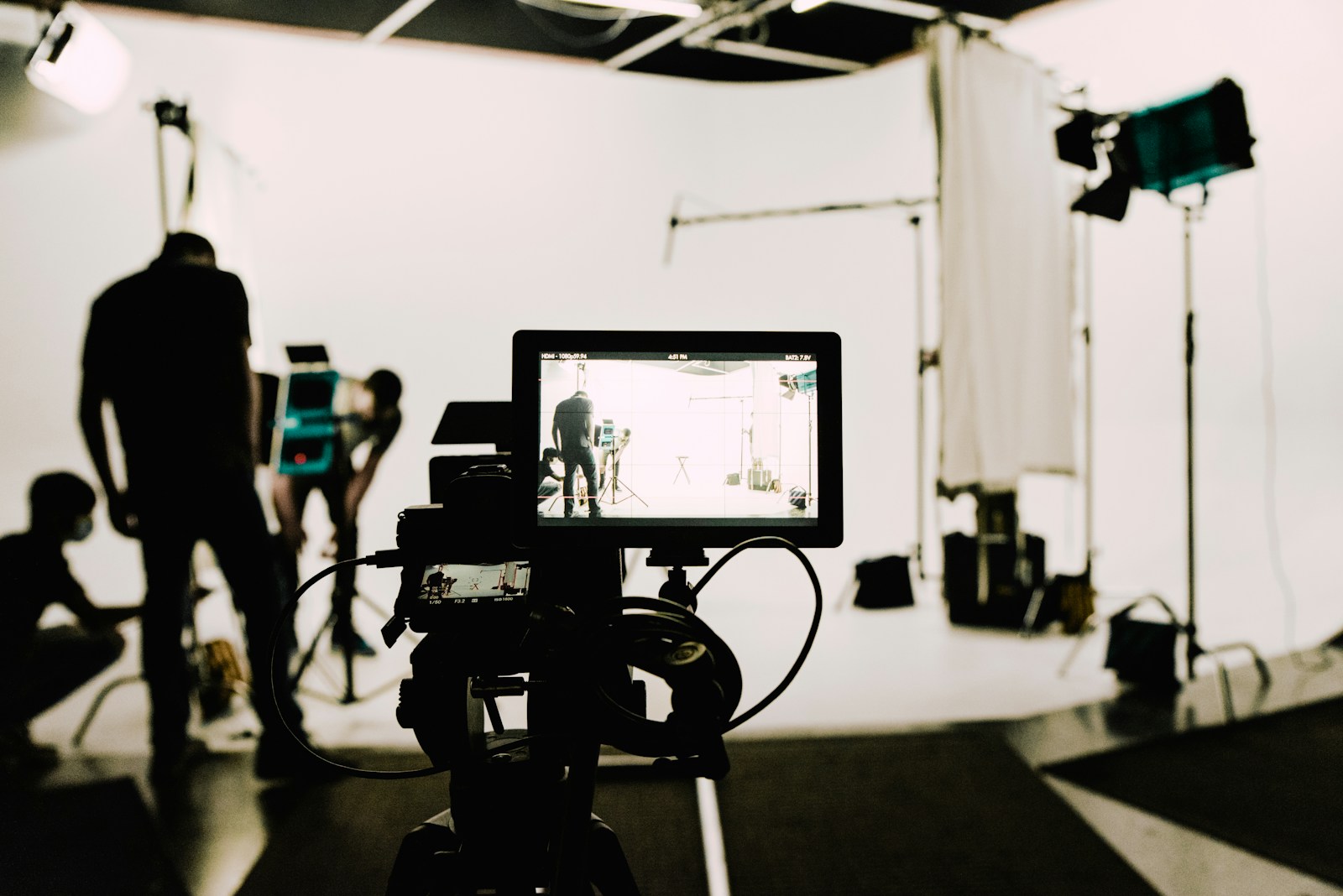

Visual gallery
Selected frames from the production day.


