Production Notes
How to Build a Visual System That Holds Up on Shoot Day
A practical look at the preparation, visual references, and decisions that make a commercial shoot feel effortless.

The strongest shoot days feel simple because the complexity was resolved before anyone arrived on set.
A dependable visual system is built long before the first case rolls through the studio door. It begins with a clear brief, a shared visual language, and enough time to align the people who will make the work. When each department understands the purpose behind the frame, the final images feel intentional rather than merely well lit.
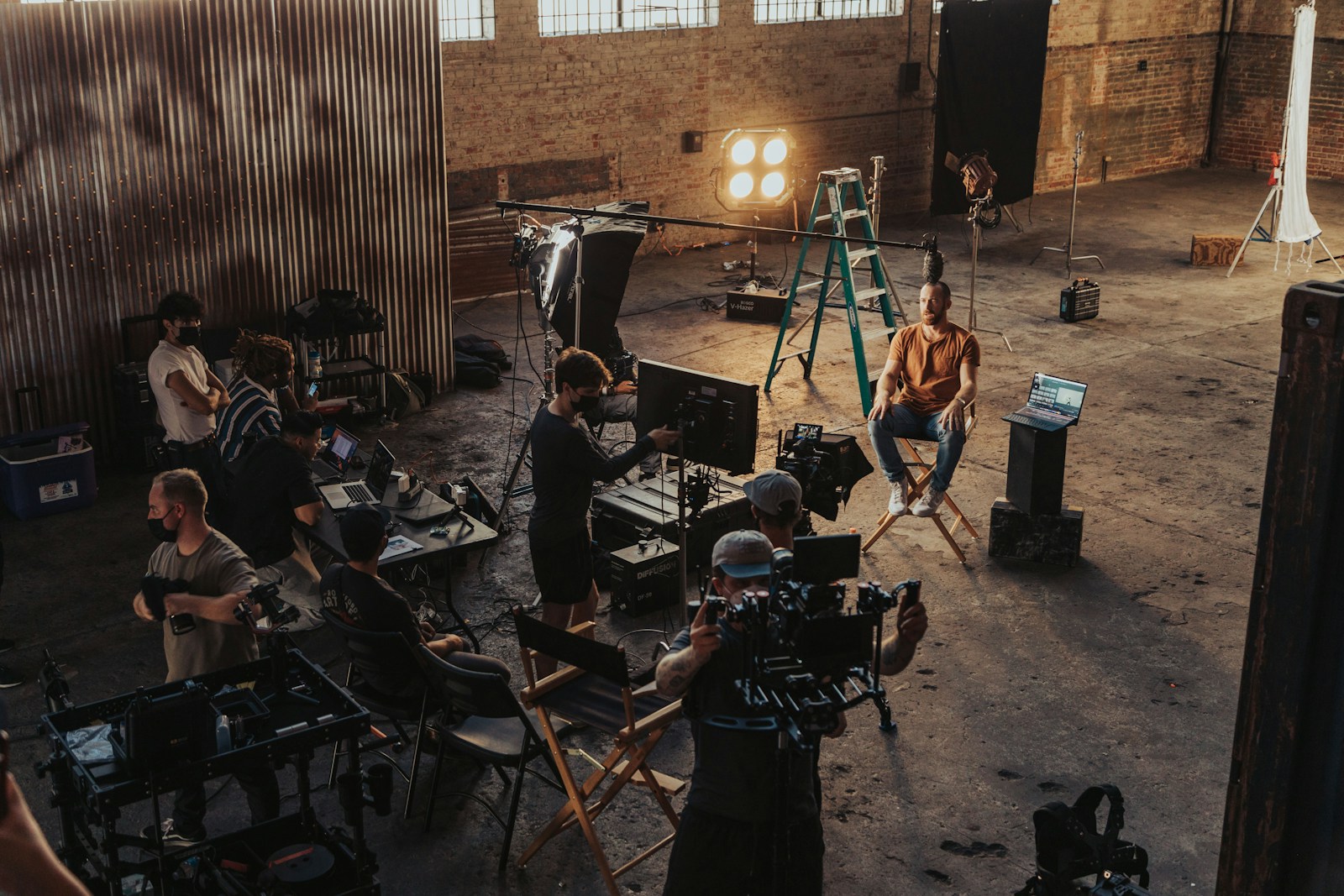
Make decisions before the set is busy
We start by translating business goals into visible choices: what should feel premium, what needs to read quickly, and what can remain understated. References are useful when they become a conversation about pace, contrast, framing, and casting—not when they become a collage that everyone interprets differently. That distinction saves time while preserving the room for real creative judgment.
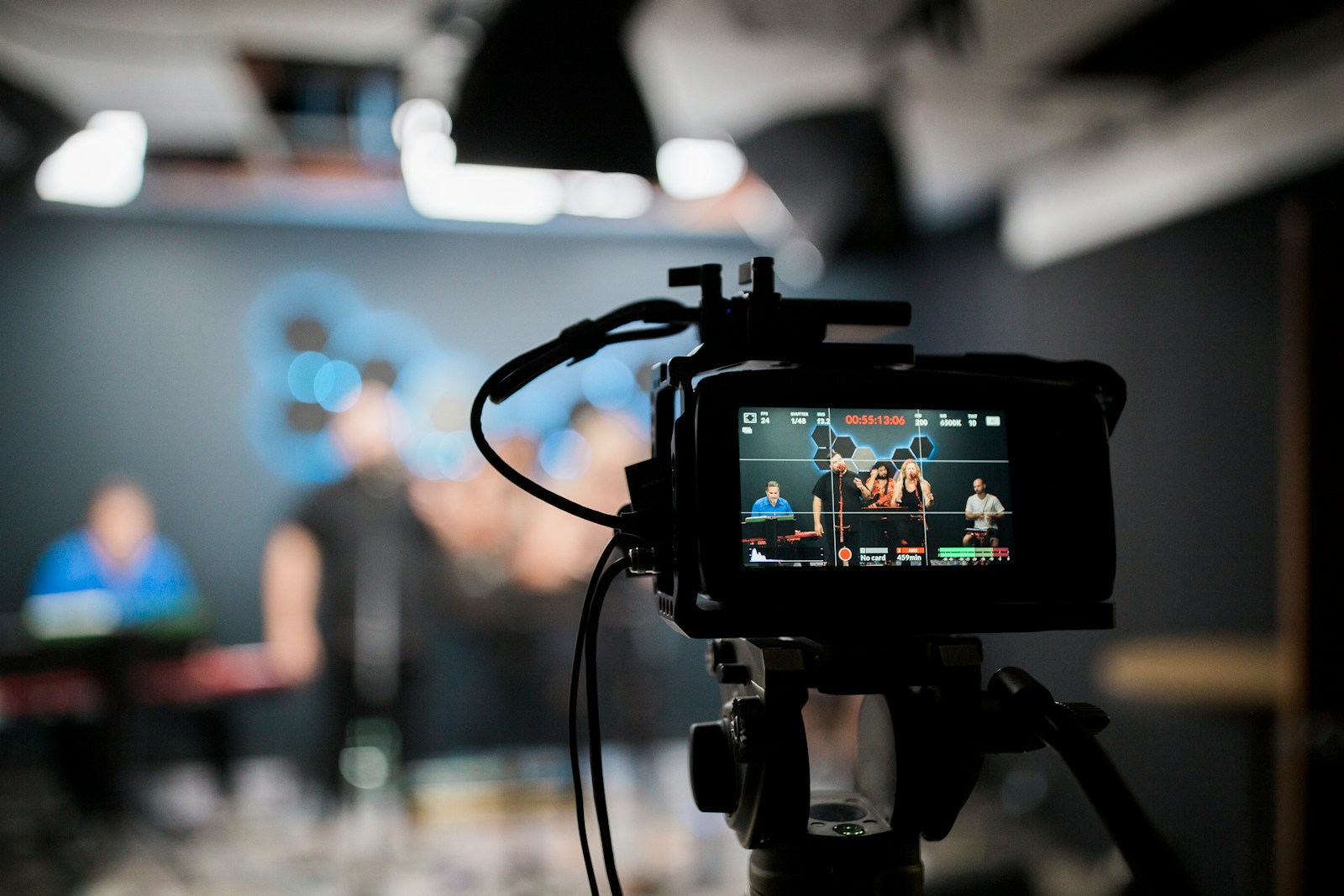
On shoot day, a system should make space for the unexpected. It gives the team a baseline, so a spontaneous moment can be evaluated against a clear point of view instead of becoming another variable to manage.
Visual gallery
Selected frames from the production day.